

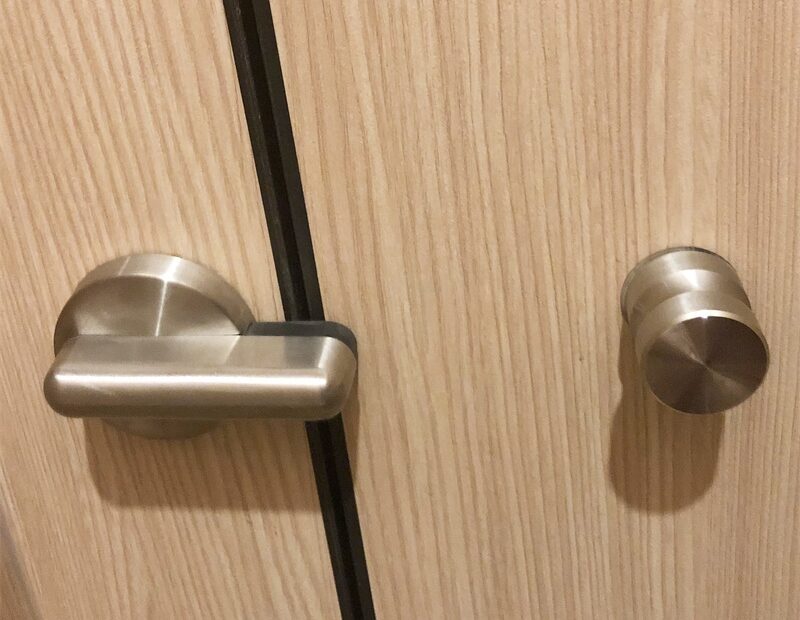
Maximizing Hygiene with Distributor Cubicle Toilets
Toilet cubicles are essential to providing users with privacy and optimal hygiene in public restrooms. Distributor cubicle toilets are designed with thoughtful and advanced features that ensure the highest standard of performance.
Benefits of Distributor Cubicle Toilets
Distributor cubicle toilets offer users several benefits, including:
- High-End Design: These toilets are constructed from stainless steel and other durable materials, making them the perfect addition to any restroom space.
- Maximum Hygiene: Distributor cubicle toilets feature built-in sensors for hand washing and flushing, which helps to reduce the spread of germs and bacteria.
- Ultra-Thin Design: These toilets are designed with an ultra-thin frame to maximize space efficiency.
Features of Distributor Cubicle Toilets
Distributor cubicle toilets offer a variety of features that promote enhanced hygiene, including:
- Automatic Flushing: The toilets come equipped with automatic flushing technology, which helps to reduce the spread of germs and bacteria.
- Built-in Sink: This feature allows for both hand washing and flushing within the same space.
- Self-Cleaning System: This system uses a unique countercurrent flushing system to thoroughly clean the toilet, preventing the buildup of bacteria and grime.
Phần kết luận
Distributor cubicle toilets are the perfect solution for any public restroom space. Their high-end design, maximum hygiene, and cost-effectiveness make them an ideal choice for businesses seeking to maximize their hygiene standards.
What are the benefits of using distributor cubicle toilets?
1. Water Conservation: Distributor cubicle toilets have a flush rate of 0.8 to 1.2 gallons per flush, offering 20-30% water savings over conventional gravity-fed toilets.
2. Hygiene: Distributor cubicle toilets use high-powered nozzles to spray water at targeted areas for optimal hygiene.
3. Space-Saving: As distributor cubicle toilets are wall-hung, they can be installed in spaces as small as 12 inches, offering optimum floor-space savings.
4. Comfort: With a higher flushing speed, no sound and a gentle spray, distributor cubicle toilets provide users with a comfortable and stress-free user experience.
5. Easy Maintenance: Distributor cubicles are designed to be easy to service and maintain, as they are built out of durable materials and use few moving parts.
What is the cost of a distributor cubicle toilet?
The cost of a distributor cubicle toilet can vary greatly depending on factors such as size and brand. Generally, the cost of a basic distributor cubicle toilet can range from around $200 to $1,000 or more.
What are the advantages of a distributor cubicle toilet?
1. Low water consumption: Distributor cubicle toilets are designed to use less water than other types of toilets, saving both water and energy.
2. Odorless flushing: The distributor cubicle toilet features a unique venting system that effectively traps odors before they have the chance to escape into the bathroom.
3. Easy installation: Distributor cubicle toilets require fewer components than other types of toilets, making them easier and faster to install.
4. Clog-resistant: These types of toilets are designed to prevent buildup or clogging, making maintenance simple and hassle-free.
5. Aesthetic appeal: The sleek, minimalistic design of distributor cubicle toilets can enhance the look of any bathroom.
6. Hygienic use: The toilet design encourages enhanced personal hygiene, making it ideal for high-traffic bathrooms.
What are the pros and cons of a distributor cubicle toilet?
Pros:
-A distributor cubicle toilet is an economical choice for many businesses as it is cheaper than other types of toilet.
-It occupies a small area and uses less water than traditional toilets.
-It also provides privacy and security in environments where confidentiality is important.
Cons:
-The distributor cubicle toilet is not as spacious as traditional toilets, making it uncomfortable for larger people or those with mobility issues.
-It can be difficult to clean and maintain, as the cubicles are often close together and hard to reach.
-The cubicles are sometimes seen as unsanitary, as the lack of privacy can be a problem for some users.

