

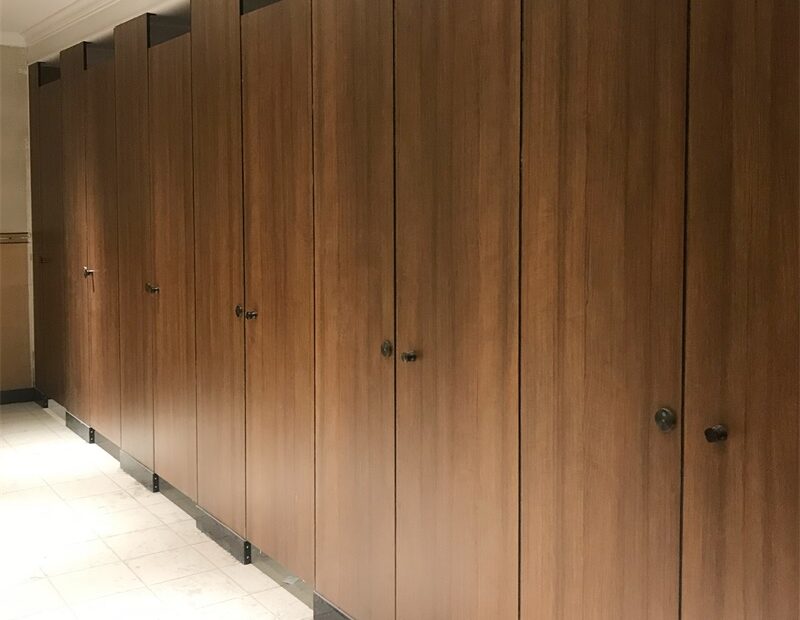
Cleaning Up: The Pros and Cons of Cubicle Restrooms
Cubicle restrooms are often the brunt of jokes, but they may actually be beneficial. Often seen in places like retail stores, airports and office buildings, cubicle restrooms offer a few benefits that regular restrooms don’t. Here are a few pros and cons to consider when deciding if cubicle restrooms are the right choice for your business:
Pros
- Convenient: Cubicle restrooms don’t require you to walk to the end of a long hallway to reach them. They are often found in the busiest parts of a building, which makes them easily accessible.
- Clean: Cubicle restrooms also require less cleaning than regular restrooms. Since they are divided into separate rooms, it is much easier to keep them hygienic and tidy.
- Cost-Effective: Cubicle restrooms are more cost-effective than regular restrooms due to the decreased need for staff or janitors to regularly clean them.
Cons
- Privacy: Some people may feel uncomfortable having to use a restroom shared with other people. The lack of privacy may dissuade them from using the bathroom altogether.
- Space: Cubicle restrooms can be inconvenient for larger groups of people, since only one person can use the restroom at a time. This can lead to long waits and uncomfortable situations.
- Maintenance: Cubicle restrooms require regular maintenance and upkeep, as they are often used as passageways. This can add up to a lot of cleaning costs.
Overall, cubicle restrooms can be a great option for businesses that require a lot of people to use the restroom at once. However, it’s important to consider the pros and cons outlined above before making the switch.
What are the benefits of having a private restroom in the workplace?
1. Improved Privacy: Having a private restroom in the workplace provides employees with greater privacy compared to a shared restroom. This can be especially beneficial for female employees who may not feel completely comfortable using a shared restroom.
2. Enhanced Employee Comfort: A private restroom ensures that employees can utilize the restroom without worrying about who is using the same restroom at the same time or having to queue up to use it.
3. Improved Hygiene: Having a private restroom in the workplace can help to reduce the likelihood of infections or illnesses as there is less chance of germs, bacteria and other hygiene issues spreading.
4. Increased Efficiency: A private restroom provides employees with a more efficient use of their time as they can attend to their restroom needs without waiting for other people to finish using the facility.
5. Reduced Pressure: Ensuring that each employee has access to their own restroom can help to reduce pressure on the facility and keep it clean for everyone to use.
What are the regulations concerning private restrooms in the workplace?
The Americans with Disabilities Act (ADA) requires employers to provide reasonable accommodations for employees with disabilities. This includes providing private restrooms for certain employees who may require additional privacy or assistance in the restroom due to their disability. Additionally, state and local governments may also have their own specific requirements regarding private restrooms in the workplace. Employers should check with their local governing body or consult an attorney for exact guidance on these regulations.
What are the requirements for maintaining private restrooms in the workplace?
1. Private restrooms should be well-maintained, clean, and odor-free at all times.
2. Private restrooms should be properly supplied with toilet paper, soap, and other necessary items.
3. Private restrooms should be checked regularly to ensure that the fixtures and appliances are functioning properly and that they are not in need of repair or maintenance.
4. Private restrooms should be periodically cleaned and disinfected.
5. Private restrooms should be clearly marked and easily accessible for employees.
6. Private restrooms should have adequate ventilation, lighting, and privacy (such as separate entrances and locks).
7. Private restrooms should be stocked with appropriate supplies.
8. Private restrooms should be accessible for disabled workers.
9. Employers should provide reasonable accompaniment for disabled workers entering and exiting the restroom.

