

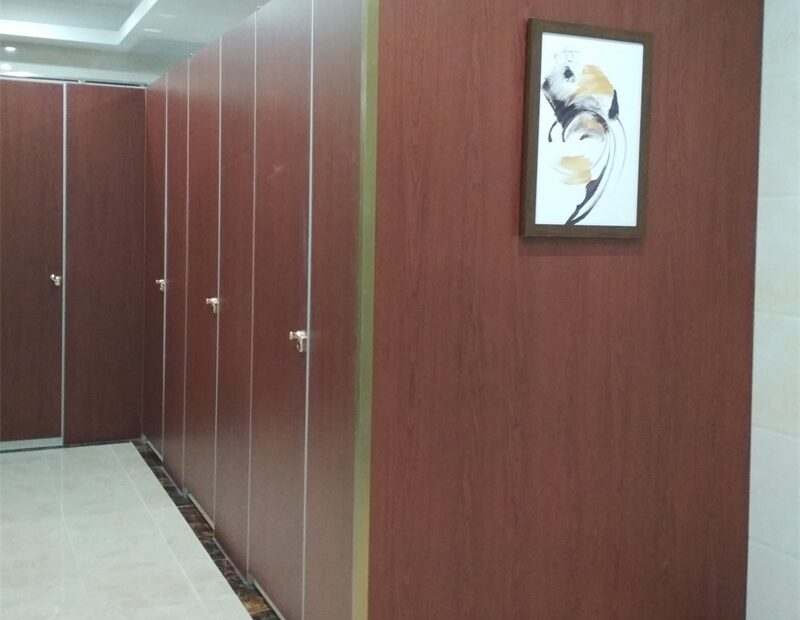
Creating Cleaner Spaces with Phenolic Toilets
Phenolic toilets are quickly becoming the go-to choice for public restrooms and other high-traffic areas. Their non-porous and hygienic surfaces make them ideal for applications where hygiene is a priority. Not only are phenolic toilets visually attractive, but they are also easier to clean and maintain, which makes them ideal for busy, high-traffic areas. Here are some of their key benefits:
Durability
Phenolic toilets are remarkably strong and resilient. They are made up of multiple layers of phenolic resin-bonded sheet, which creates an incredibly strong and durable finished product. This means they’re less likely to crack, chip or dent, even in the most extreme situations. Plus, they’re able to withstand the wear and tear of high-traffic areas, making them incredibly long-lasting and cost effective.
Hygienic Surfaces
Phenolic toilets have a non-porous surface, which means they’re less likely to absorb liquid and other contaminants. This helps to reduce the spread of harmful bacteria and makes them much easier to clean. The smooth, non-porous surface also reduces the risk of staining, which can be difficult to remove from some materials.
Aesthetic Appeal
Phenolic toilets are available in a range of colors, styles, and patterns. This allows customers to choose a product that fits the aesthetic of their space. Plus, the glossy finish of phenolic toilets adds a luxurious feel to any restroom or public area, making them the perfect way to add a touch of elegance.
Easy to Clean and Maintain
The smooth, non-porous surface of phenolic toilets makes them incredibly easy to clean and maintain. They don’t require any special cleaners or tools, just a regular soapy solution and mild cleaning cloth. Plus, their glossy finish repels dust, dirt, and grime, meaning they’ll remain cleaner for longer.
Conclusion
For the utmost in durability, hygiene, and aesthetic appeal, phenolic toilets are the perfect choice for any high-traffic public area. Their non-porous surface, resilience, and ease of cleaning make them ideal for busy bathrooms, schools, and other public spaces.
What are the benefits of using phenolic toilets?
1. Durability: Phenolic toilets are strong and durable, making them ideal for commercial and public bathrooms, where they are not only going to be used heavily, but also need to last for years.
2. Cleanliness: Phenolic toilets are non-porous, meaning they do not absorb liquids, odours or other organic materials, making them much easier to clean and maintain.
3. Low Maintenance: Since phenolic toilets are non-porous and made from a solid sheet of material, they are easier to maintain, since there are no gaps or crevices for dirt and bacteria to get into.
4. Hygienic: The non-porous surface of a phenolic toilet means that it is much more hygienic than a traditional toilet, and is therefore better for public use.
5. Fire Resistance: Phenolic toilets are fire resistant, making them an ideal choice for areas which may be prone to fires.
6. Cost: Phenolic toilets are generally cheaper to install than standard toilets, helping to save money over the course of their life-cycle.
What are the advantages of using a phenolic toilet over a ceramic one?
1. Phenolic toilets are more durable than ceramic toilets. Phenolic is more resistant to scratches, chips, and staining, making them last longer.
2. Phenolic toilets are more hygienic than ceramic toilets. The non-porous surface of phenolic toilets prevents bacteria from growing, making them a better choice for germaphobes.
3. Phenolic toilets are easier to clean than ceramic toilets. The smooth surface of the phenolic material makes wiping it down much simpler than cleaning a ceramic toilet.
4. Phenolic toilets are often cheaper than ceramic toilets. They are usually less expensive to purchase and install, and may have lower long-term maintenance costs.
What are the disadvantages of a phenolic toilet compared to a ceramic one?
1. Phenolic toilets are more expensive than ceramic toilets.
2. The material of choice for these toilets makes them more vulnerable to damage, especially when they are used frequently.
3. It is difficult to clean and maintain.
4. It is not as aesthetically pleasing as a ceramic toilet and may need to be replaced sooner due to its fragile nature.
5. It’s harder to retrofit fixtures to a phenolic toilet than to a ceramic one.
6. It can be more difficult to repair any issues or replace parts in a phenolic toilet.

