

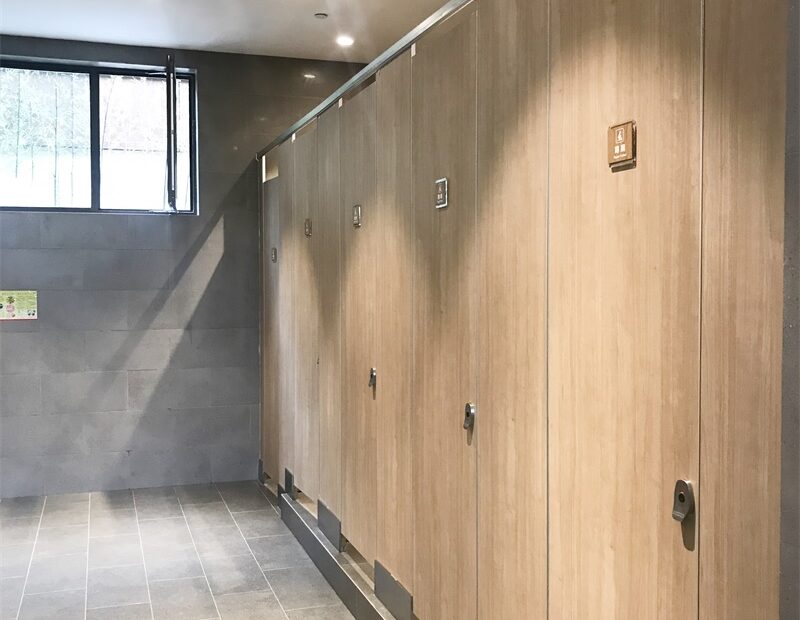
Maximizing Space and Comfort: How Revit Toilet Stall Design Enhances Commercial Bathroom Design
The design of a commercial bathroom is one of the most important aspects of the overall design of a commercial space. An effective bathroom design will not only enhance the aesthetic of the space, but it will also maximize the comfort, privacy, and efficiency of the space. To meet these goals, one of the best solutions is to use Revit toilet stall design.
What is Revit Toilet Stall Design?
Revit is a 3D architectural software used to create highly detailed specifications of the design of a building. This includes the design of the bathroom, including the toilet stalls. Revit toilet stall designs are customized to each individual space and offer a variety of options to maximize space, comfort, and privacy.
Benefits of Revit Toilet Stall Design
The greatest benefit of Revit toilet stall design is that it allows for a highly customized design that maximizes the space while providing optimal comfort and privacy. Here are some of the features of a Revit toilet stall design that provide these benefits:
- Customizable sizes: The size and shape of each stall can be customized to fit the size and layout of the bathroom.
- Flexible design: The stalls can be designed to create an open and spacious feeling, or to be more enclosed for added privacy.
- High-quality materials: The materials used in the design are of the highest quality, ensuring they will last for years.
- Optimal positioning: The positioning of the stalls can be adjusted to maximize the use of the space.
Conclusion
Revit toilet stall design is the perfect solution for maximizing the space, comfort, and privacy of a commercial bathroom. By using the design capabilities of Revit, a highly customized, efficient, and aesthetically pleasing design can be created. This makes Revit the ideal solution for any commercial bathroom design.
What are the benefits of using Revit for commercial bathroom design?
1. Increased Design Efficiency: Revit can be used in commercial bathroom design to model existing building infrastructure and design new bathrooms quickly and accurately.
2. Improved Visualization: Users can view their finished design in 3D, allowing them to see the overall form of the bathroom from different angles. This improves the visualization capabilities of designers, allowing more informed decisions to be made.
3. Accurate Shading and Lighting: Revit allows for accurate shading and lighting to be set for the room, allowing designers to see the final product in a realistic way.
4. Customization: Revit’s customization abilities allow users to continuously refine their designs and make changes to fit their specific needs.
5. Reduced Cost: Revit helps to reduce materials costs, minimizing the amount of materials needed to construct the design.
6. Collaboration: Revit enables teams to work together to produce high-quality designs, resulting in a faster design process and fewer errors.
What types of Revit tools are useful for commercial bathroom design?
1. Space Planning: Revit’s Space Planning tools allow users to easily lay out new spaces, adjust existing layouts, and configure elements to meet specific design objectives.
2. Bathroom Fixtures: Revit’s library of bathroom fixtures includes common elements like toilets, showers, sinks, and faucets.
3. Lighting: Revit’s Lighting tools enable the accurate capture of natural and artificial lighting in a bathroom design.
4. Materials and Textures: Revit’s Materials and Textures tools enable users to quickly apply accurate materials and textures to walls, floors, and other surfaces.
5. Dimension and Scale: Revit’s Dimension and Scale tools enable commercial bathroom designers to create accurate 2D and 3D models at the correct scale.
6. 3D Visualization: Revit’s 3D Visualization tools allow users to accurately visualize and present their bathroom designs. This makes it easy to evaluate design changes and accurately communicate the design intent to clients.

