

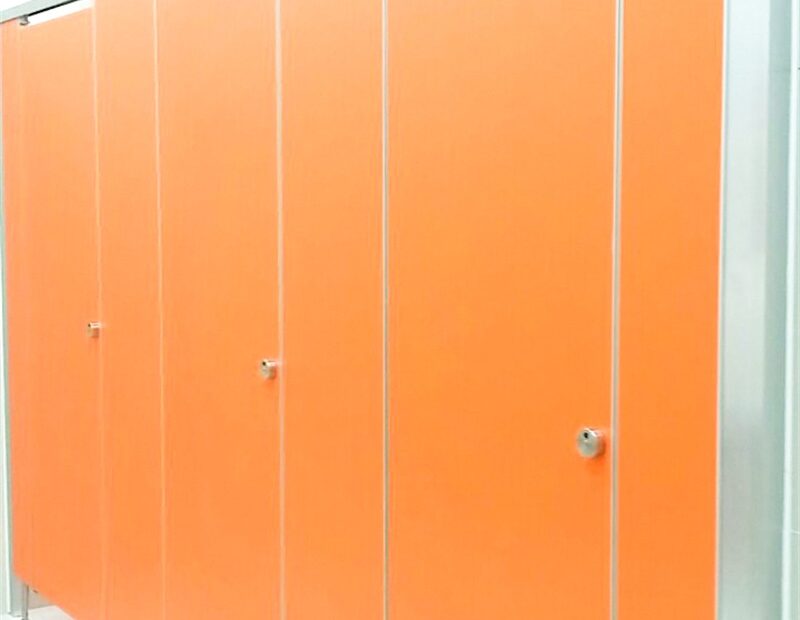
The Benefits of Installing Toilet Room Partitions
Installations of toilet room partitions offer many benefits, including improved safety, increased privacy, and improved durability. No matter the size or layout of your restroom, partitions can help to create an efficient, organized, and comfortable environment.
Enhanced Privacy and Peace of Mind
One of the top benefits of installing toilet room partitions is the enhanced privacy it brings to the restroom. Busy public restrooms, such as in a school or shopping center, can be crowded, causing user discomfort. Toilet partitions provide partitions between people in the restroom and prevent accidental eye contact or uncomfortable situations. They also allow for greater peace of mind by creating a secure and private space in the restroom.
Improved Safety
Besides creating a more pleasant restroom environment, toilet room partitions also help to improve safety. By partitioning off areas, it eliminates the potential for slips and falls by preventing direct contact with other areas. Additionally, the partitions create barriers that can discourage intruders who may take advantage of a crowded restroom.
Improved Durability
Many times, the materials used for toilet room partitions have a greater lifespan than other restroom fixtures. This helps to reduce costs and inconvenience associated with replacing or repairing common restroom fixtures. The partitions can be made from a variety of materials, including metal, plastic and laminate, which all have greater durability than traditional restroom fixtures.
Conclusion
Installing toilet room partitions offers many benefits, such as:
- Enhanced privacy and peace of mind
- Improved safety
- Improved durability
No matter the size or layout of your restroom, partitions can help to create an efficient, organized, and comfortable environment.
What are the different types of toilet room partitions?
1. Plastic Laminate Partitions: A smooth, seamless partition constructed from melamine-infused sheets of paper and resin pressed together, making it the most often used and popular partition material in public restrooms.
2. Steel/Metal Partitions: Steel or metal panels are connected by either a bolted or post-and-panel system, making them robust and long-lasting, perfect for areas subject to heavy use and abuse.
3. Solid Plastic Partitions: Solid plastic partitions are a solid, single piece of plastic materials that require no frames or supports, they are the most affordable partition available but are the easiest to get scratched or damaged.
4. Stainless Steel Partitions: Made of stainless steel sheet, these partitions have a much sleeker, more modern look. They are waterproof and require little maintenance, though not necessarily more affordable than other types of partitions.
5. Phenolic/Compact Laminate Partitions: These partitions are made of resin-infused sheets of paper and resin, which are then compressed into a single layer of material making them lightweight yet resourceful. They are easily customizable with a large variety of colors, patterns, and textures.
6. Glass Partitions: Glass partitions present a modern look, depending on the texture, pattern, and color. They can easily be outfitted with options like raindrop or frosted glass, designating certain areas for different genders or higher privacy.
Q: What are the materials used for toilet partition walls?
The most common materials used for toilet partition walls are metals such as stainless steel, aluminum, and powder-coated steel. They are also available in other materials such as solid plastic, phenolic, and solid core. Glass partitions are becoming popular as well. The choice of material depends on the environment, cost, durability, and aesthetic preferences.
Q: What are the benefits of toilet partition walls?
A: The primary benefit of toilet partitions is to provide privacy for those using the restroom. They also help to delineate and organize traffic flow, maintain cleanliness by preventing foot traffic from entering bathroom stalls, and coordinate the look of a restroom. Additionally, toilet partitions help to reduce airborne bacteria and odors, reduce noise, and provide insulation from temperature changes.

